
Finally, there can be justice for the families of the Benghazi Four. The long-awaited ruling in Midland, Texas, signals a dramatic shift in accountability for one of America’s most controversial tragedies.
A judge in Midland Texas overruled a lower court stay that kept the families from bringing lawsuits against those responsible, allowing legal proceedings to resume after years of bureaucratic obstruction.
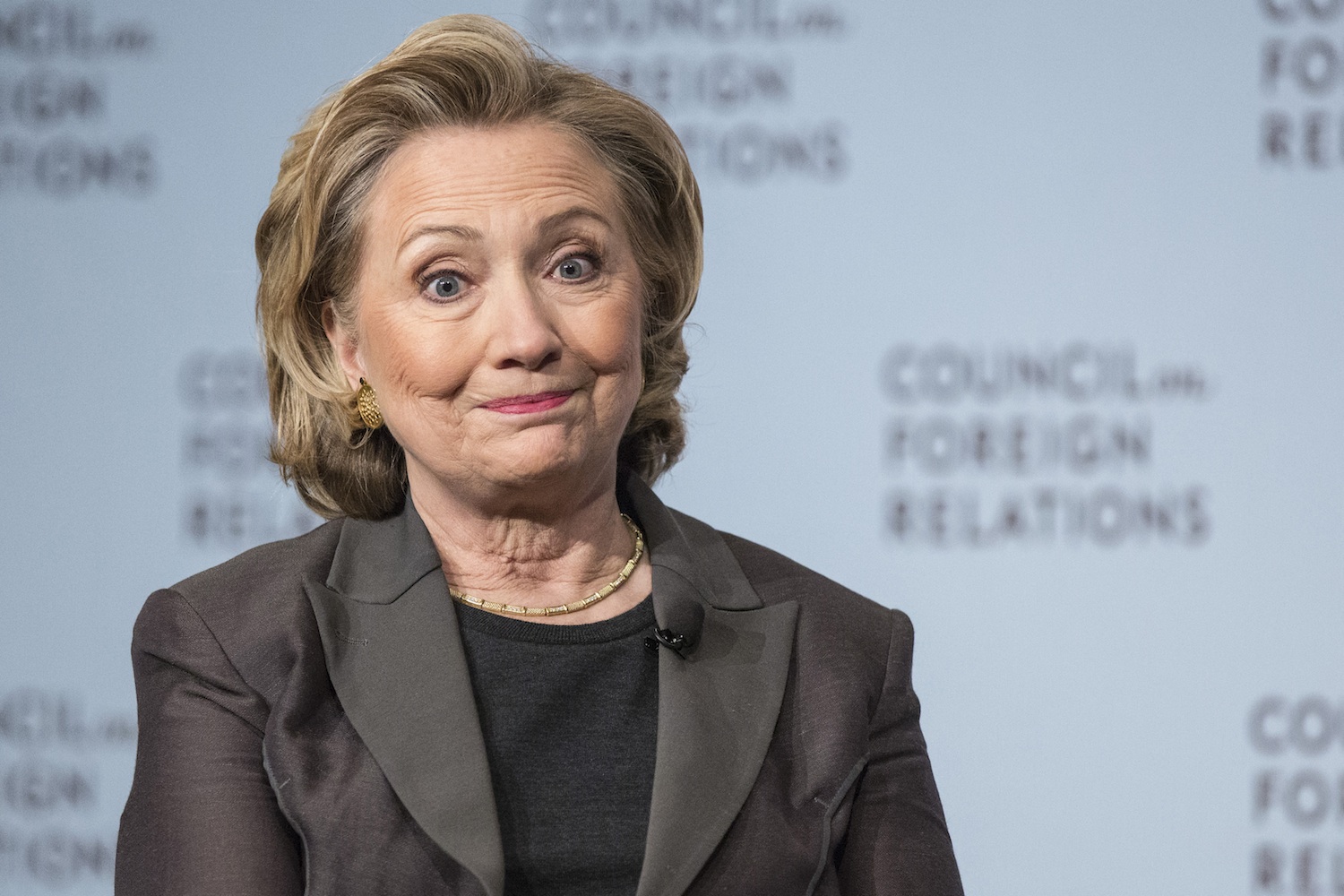
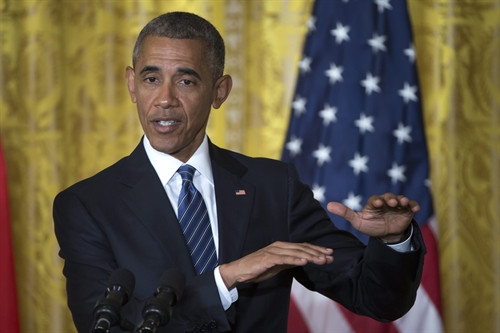
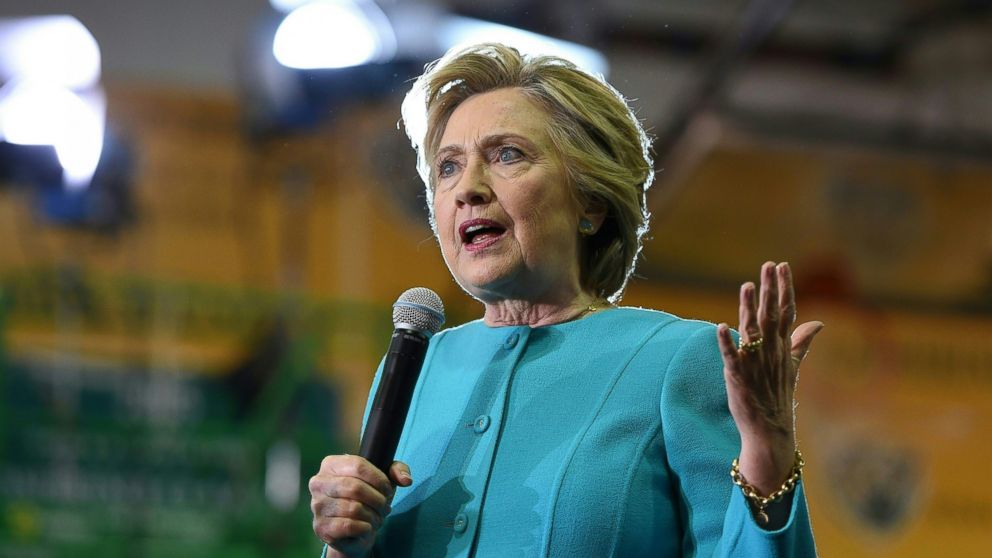
With the new ruling, former President Obama and former Secretary of State Hillary Clinton can be deposed, opening a path for the victims’ families to finally seek compensation for their suffering.
Thirteen years is a long time to wait, but at least now some form of justice can be served, giving the families hope that accountability may finally reach those in power.
The Benghazi Four were killed during an attack on the U.S. consulate in Libya, sparking a wave of controversy over governmental security failures and political negligence that haunted Washington for over a decade.
Families have long argued that intelligence warnings were ignored, requests for additional security were denied, and internal communications reveal systemic failures that ultimately contributed to the deaths of these brave Americans overseas.
The legal battle has been fraught with delays, appeals, and procedural hurdles, frustrating advocates who insist that those responsible must answer for negligence and misconduct that had fatal consequences.
Now, with the Midland ruling, legal experts anticipate that depositions of former administration officials could reveal new evidence, potentially reshaping the public understanding of what happened during that fateful night.
Observers note that the decision also underscores the role of the judiciary in upholding accountability, even against high-ranking politicians who have previously avoided scrutiny through political immunity or executive privilege claims.
Families expressed cautious optimism, emphasizing that this ruling represents a symbolic victory as much as a practical one, demonstrating that persistent legal advocacy can eventually overcome entrenched political obstacles.
The attack in Benghazi was not merely a tragedy but a catalyst for national debate about foreign policy, diplomatic security, and the responsibilities of elected officials toward Americans stationed abroad.
Critics of the Obama administration argue that security concerns were repeatedly dismissed, while defenders insist that the complex nature of Libyan insurgency made complete protection impossible despite earnest efforts.
However, the legal framework now allows families to seek discovery, compelling testimony and documents that may expose deeper systemic failures that have remained hidden from public view for years.
Attorneys involved in the case stress that uncovering these facts is critical not only for justice but for institutional reform, ensuring that similar failures do not repeat in future foreign operations.
The ruling also raises questions about executive accountability and how much immunity former presidents and cabinet members should enjoy once they leave office, a debate likely to intensify in coming months.
Public attention has begun to focus on the possibility of civil suits that could result in financial compensation, serving both as reparation and as a deterrent for future misconduct by high officials.
Some commentators warn that while compensation cannot bring back the lost lives, it provides recognition of wrongdoing and a measure of closure that has been denied for far too long.
The political ramifications of the case are immense, with implications for both parties, as supporters and opponents alike examine the evidence and testimonies likely to emerge during the depositions.
Many families have waited through changing administrations, political gridlock, and media cycles, maintaining resilience and hope that legal accountability could eventually address the wrongs done to their loved ones.
Activists point out that the ruling may inspire similar cases where families of victims of governmental negligence have struggled to bring high-ranking officials to court in the past.
Civil rights advocates highlight that this legal precedent reinforces the principle that no individual is above the law, even those who once occupied the highest offices of the nation.
While some critics claim the lawsuits are politically motivated, others emphasize the genuine need for transparency, accountability, and compensation for those who endured immense suffering and loss.
Legal scholars note that the case could set a standard for future litigation, where claims of immunity are weighed against the undeniable human consequences of administrative failures.
The families’ lawyers insist that depositions of former officials will uncover critical insights into decision-making processes, risk assessments, and communication lapses that contributed directly to the tragedy.
Media coverage is expected to intensify as documents are released and testimonies unfold, potentially revealing new details about the chain of events leading to the attack on the consulate.
Historians observing the case suggest it could become a landmark moment in American legal history, illustrating the tension between executive authority and accountability for preventable tragedies.
Some critics argue that the timing of the ruling may have political overtones, but legal experts counter that procedural correctness and perseverance by the families played the decisive role in reopening the case.

The surviving families emphasize the importance of truth over politics, focusing on achieving closure, understanding what went wrong, and preventing other families from suffering similar losses due to governmental negligence.
The attack and its aftermath have already left an indelible mark on U.S. foreign policy, highlighting the dangers faced by diplomats in volatile regions and the critical importance of proactive security measures.
With depositions forthcoming, the court could compel high-level testimonies that clarify the role of executive decisions, resource allocations, and intelligence assessments that contributed to the security failures at Benghazi.
Advocates argue that revealing these facts publicly is a moral imperative, ensuring that history accurately reflects the responsibilities and mistakes of those in power rather than allowing political narratives to dominate.
The Midland decision marks the culmination of years of legal and personal struggle, providing hope that justice, even if delayed, can serve as a model for accountability in other government-related tragedies.
Families have expressed gratitude toward legal teams, advocacy groups, and sympathetic legislators who supported their fight, acknowledging that persistence, patience, and strategic legal planning made the ruling possible.
This ruling also reignites public discourse about the ethical responsibilities of elected officials and the mechanisms necessary to enforce accountability for decisions that endanger American lives abroad.

While emotional wounds remain deep, families view this as a tangible victory, symbolizing that their loved ones’ sacrifices are recognized and that systemic negligence is being addressed in a court of law.
Experts predict that forthcoming trials and depositions may reveal uncomfortable truths about bureaucratic dysfunction, miscommunication, and prioritization errors, challenging the narratives presented during prior congressional hearings.
As the legal process moves forward, the nation watches, understanding that the implications extend beyond one tragedy, potentially shaping accountability norms for government actions affecting citizens both domestically and internationally.
The Benghazi Four case demonstrates that legal systems can offer recourse even against historically untouchable figures, reinforcing public confidence that truth and justice remain achievable with perseverance and dedication.
Ultimately, the Midland ruling serves as a reminder that time, persistence, and faith in judicial processes can confront entrenched power structures, providing families with the opportunity for closure, accountability, and recognition.
While the journey toward justice has been long and painful, the reopening of these cases represents a milestone in the ongoing struggle to balance power, responsibility, and human consequence within the highest levels of government.
As proceedings continue, families, legal teams, and the public brace for revelations that may redefine understanding of the Benghazi tragedy, shedding light on actions, decisions, and failures long obscured by politics.
This historic development reinforces the principle that no delay, no political stature, and no procedural obstacle can indefinitely prevent victims from seeking justice against those who hold power.
With national attention now focused on Midland, Texas, the coming months could reveal critical information, reshape historical narratives, and provide legal acknowledgment of failures that led to the preventable deaths of the Benghazi Four.
Ultimately, this ruling reminds the nation that justice is rarely immediate but remains attainable, even after more than a decade, emphasizing accountability, transparency, and the enduring value of persistence in the pursuit of truth.


