
The words were not delivered to a camera, not softened for public consumption, and not intended for dramatic effect, yet “I’ll quit right now” may become the most consequential sentence of Johnny Joey Jones’s career.
According to multiple insiders, the moment unfolded behind closed doors, far from studio lights, where months of unresolved tension finally erupted into a confrontation that left executives stunned and colleagues quietly shaken by its intensity.

This was not a dispute about ratings, scheduling, or creative disagreements, sources insist, but a deeply personal rupture involving trust, loyalty, and a professional relationship Jones reportedly concluded he could no longer tolerate.
Those familiar with the meeting describe raised voices, a sudden silence, and a door shutting with finality, followed by four words delivered calmly yet decisively, signaling a willingness to walk away from everything built over years.
What makes this incident feel fundamentally different from routine media drama is the claim that Jones had already reached his breaking point long before the confrontation ever occurred, making the statement less a threat than an act of readiness.
Insiders say the conflict involved an individual whose presence had become untenable for Jones, though the identity remains tightly guarded, fueling speculation and online theories that are spreading faster than network executives anticipated.
Behind the scenes, producers and staff reportedly sensed a shift in atmosphere for weeks, describing conversations that felt guarded, body language that felt closed off, and an unmistakable feeling that something critical was approaching collapse.
When the confrontation finally happened, it did not unfold theatrically, sources emphasize, but rather with a bluntness that left no room for negotiation, compromise, or the familiar damage control strategies networks usually deploy.
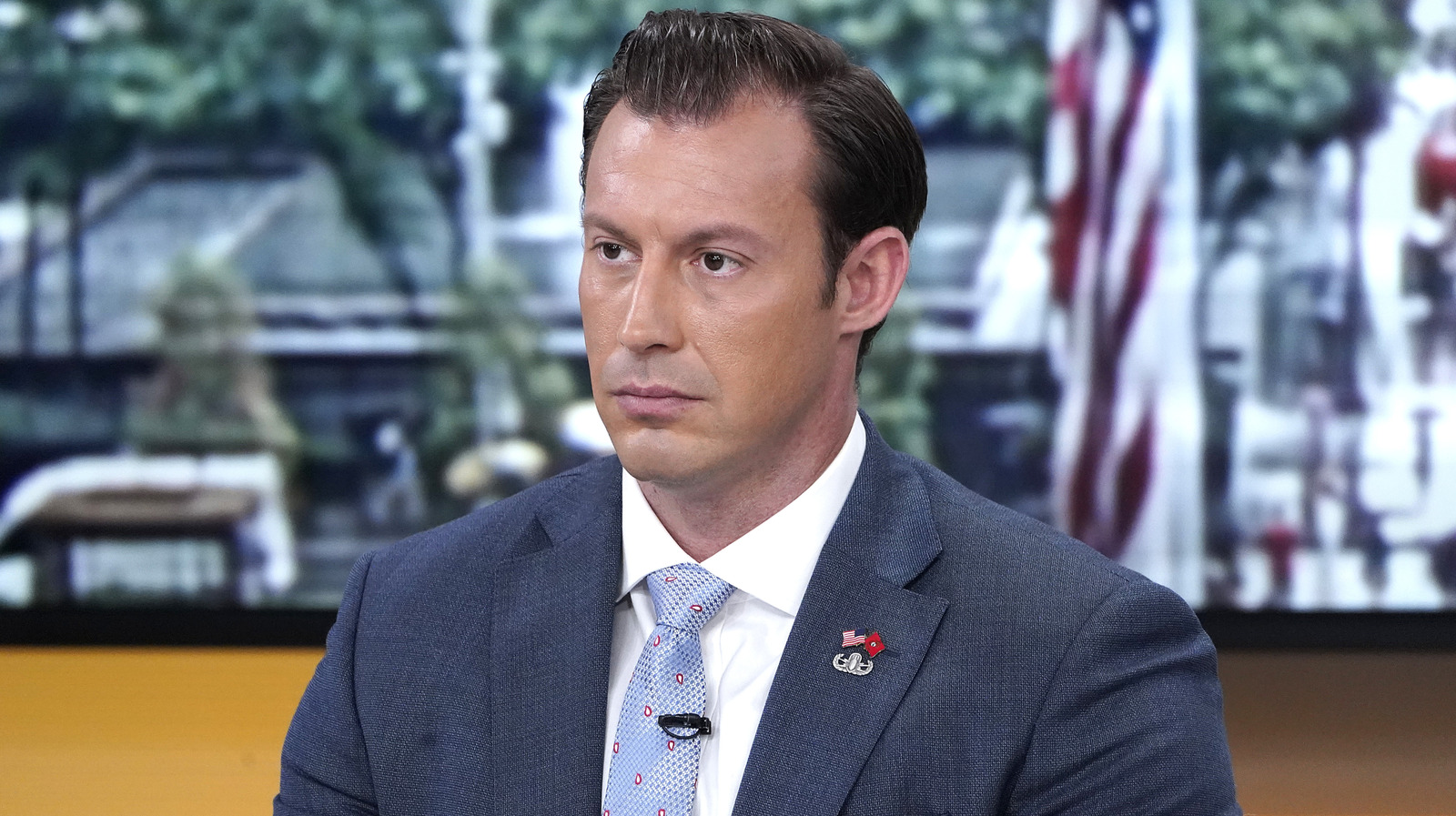
The most explosive detail, according to those briefed afterward, is a single undisclosed element from that meeting which, once revealed, could dramatically reframe public understanding of why Jones was prepared to leave immediately.
That missing piece has become the focal point of intense speculation, with supporters claiming it will vindicate Jones entirely, while critics argue it may expose deeper fractures within the culture of political media itself.
For now, the network has chosen silence, declining to confirm, deny, or contextualize the reports, a strategy that many observers believe is only amplifying curiosity, suspicion, and the sense that something significant is being concealed.
Jones himself has offered no public comment, no social media clarification, and no indirect messaging, an absence that stands in stark contrast to the constant digital engagement expected from high-profile media figures today.
That silence has not slowed the conversation, as fans, critics, and industry watchers flood comment sections with questions about accountability, loyalty, and whether principled exits still exist in a media landscape driven by outrage cycles.
Supporters argue that Jones’ reported stance reflects moral clarity, framing the moment as a rare example of someone choosing integrity over comfort, influence, and the safety of a powerful platform.
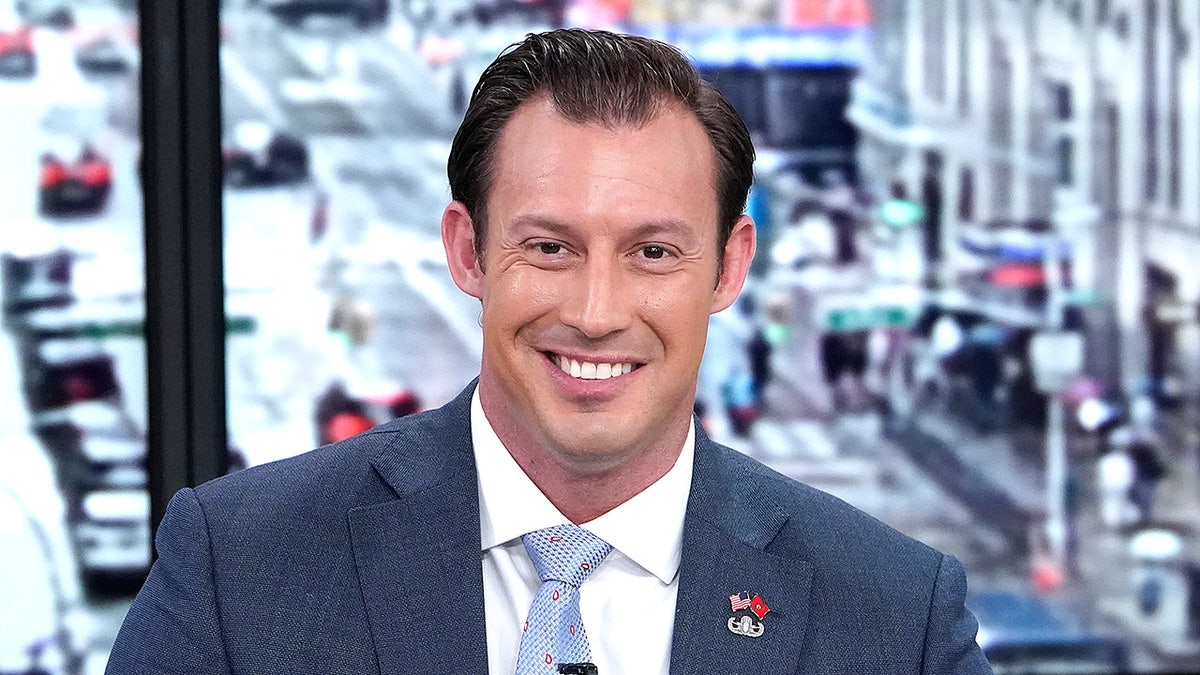
Detractors counter that walking away, especially without public explanation, risks abandoning audiences who rely on familiar voices to challenge narratives and represent viewpoints increasingly marginalized within mainstream discourse.
Media analysts note that the situation exposes a broader tension within political broadcasting, where personalities are simultaneously brands, employees, and cultural symbols, often forced to navigate conflicting expectations with little room for error.
If Jones does leave, the consequences may extend far beyond a single contract, potentially reshaping programming decisions, audience trust, and internal power dynamics that networks prefer to keep invisible.
Some insiders suggest executives are scrambling to assess damage control options, while privately acknowledging that whatever happened cannot simply be smoothed over with statements or temporary schedule adjustments.
The controversy has already begun spilling onto social platforms, where hashtags, reaction videos, and speculative threads are transforming an unconfirmed backstage moment into a full-scale public reckoning.
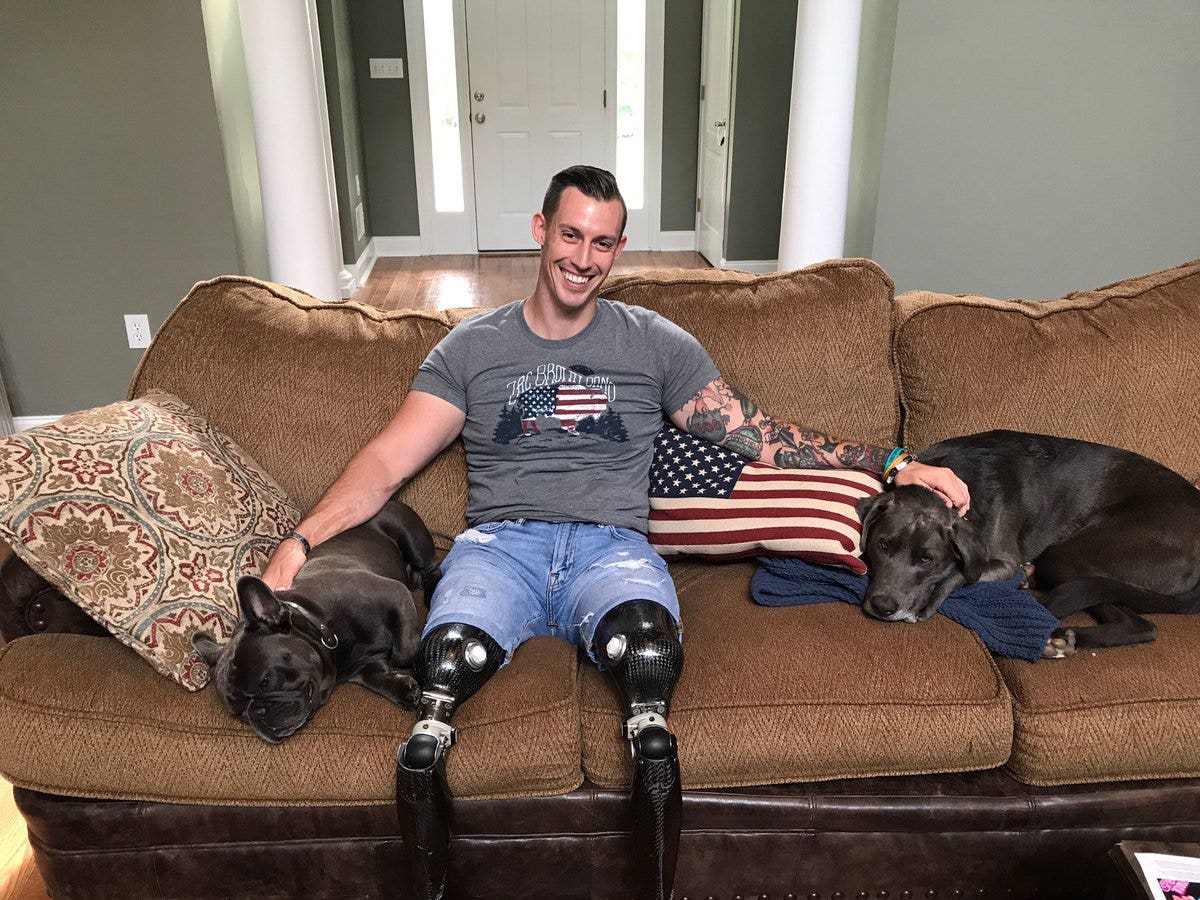
What resonates most with audiences is not just the potential exit, but the symbolism of someone drawing an uncompromising line, challenging the assumption that visibility must always come at the cost of personal boundaries.
Others warn against romanticizing the situation, noting that incomplete information can distort reality, and that silence, while powerful, can also invite narratives that may not reflect the full truth.
Still, the phrase “I’ll quit right now” has taken on a life of its own, shared as a rallying cry by some and a cautionary tale by others across ideological divides.
Industry veterans observe that moments like this rarely resolve quietly, predicting either a dramatic clarification or a prolonged standoff that slowly erodes trust between networks and their most recognizable faces.
Whether Jones ultimately stays or goes, the episode underscores how fragile professional alliances can become when personal values collide with institutional priorities behind closed doors.
The longer the silence continues, the more pressure builds for transparency, not just from fans, but from a media ecosystem increasingly skeptical of carefully managed narratives.

For many viewers, this unfolding story feels less like celebrity drama and more like a mirror reflecting deeper anxieties about authenticity, power, and who truly controls the voices shaping public debate.
As speculation intensifies, one reality is already clear: whatever happened in that room has altered relationships, expectations, and perceptions in ways that cannot be undone.
The network may remain silent for now, and Jones may choose to say nothing, but the reverberations are already reshaping conversations across screens, studios, and social feeds nationwide.
In the end, the four words spoken off-camera may matter more than years of on-air commentary, precisely because they reveal what happens when conviction finally outweighs calculation.

👉 Read the full story in the comments below and decide for yourself what this moment truly represents.


