
We often see public figures on our screens, smiling brightly, encouraging us to slow down, be authentic, and live fully. One such figure is the beloved adventurer Ben Fogle, whose show Ben Fogle: New Lives in the Wild invites viewers into the lives of people who have chosen simpler, more authentic paths. His message is clear: step away from the chaos of modern life and embrace the quiet, the meaningful. But behind his own encouraging words lies a powerful psychological pressure that is rarely discussed.
Fogle, like many influential figures, carries an invisible weight—the pressure to always embody the strength and positivity he advocates. It’s easy to assume that those who inspire us have their own lives in perfect balance, that their own struggles are far behind them. However, the reality is often much more complex.
While Fogle advocates for a life of authenticity, simplicity, and reflection, the public’s expectations can sometimes conflict with his own human vulnerabilities. There’s a societal narrative that those who are seen as role models should be unwaveringly positive, confident, and always “on.” The pressure to maintain this image, to remain an ever-present source of encouragement, can create a suffocating mental load.
The Weight of Being a Constant Source of Inspiration
In an age where social media amplifies everything, the idea of a perfect public persona has become the norm. Celebrities and public figures, from TV hosts to athletes, are often expected to live lives that mirror the inspiration they share with their followers. This creates an inherent contradiction: the very people who are preaching about authenticity and slowing down are often trapped in a race to maintain their image.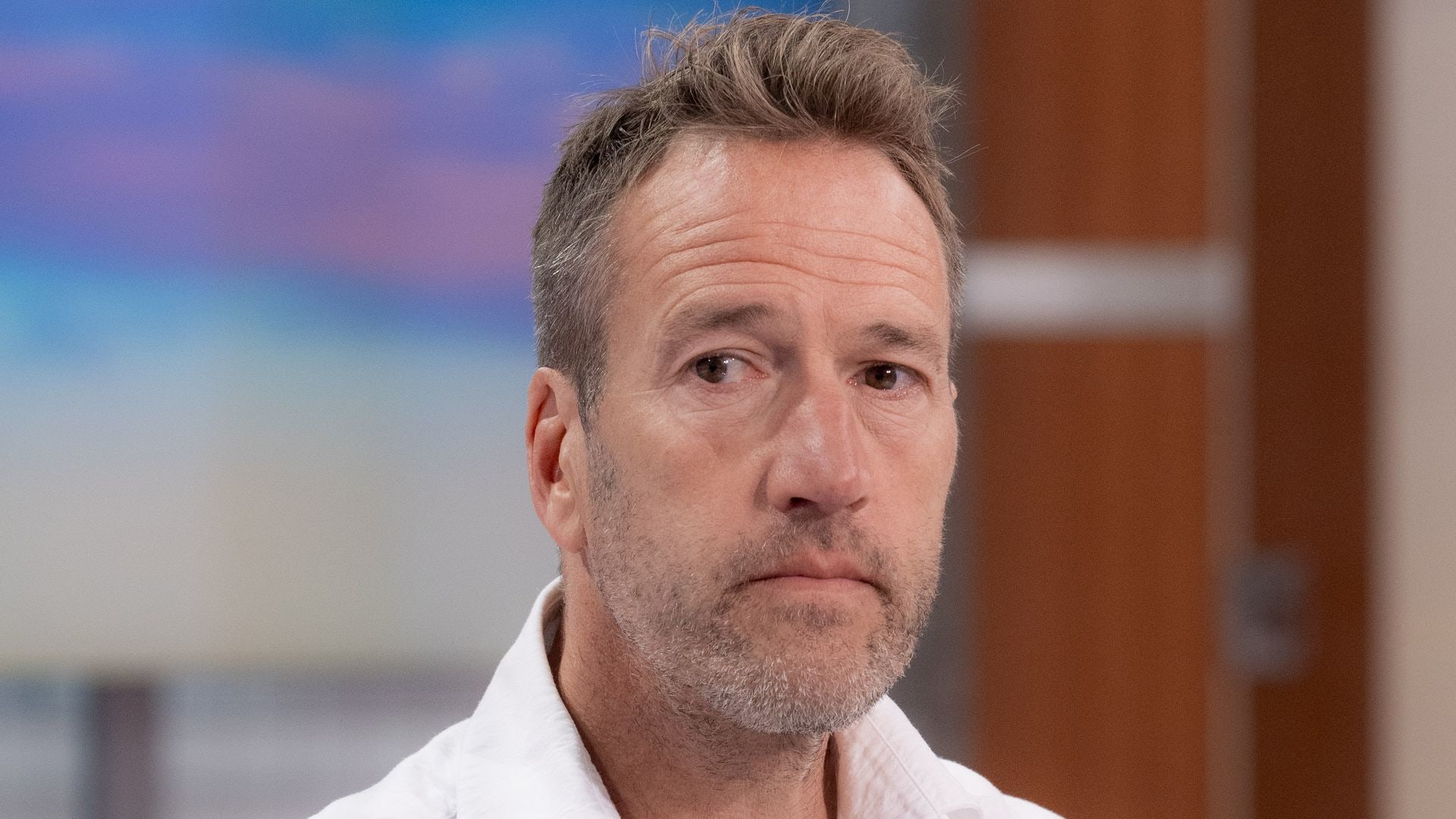
It is a paradox that many of us can relate to. While we may not be under the same level of public scrutiny, we are all familiar with the pressures of “having to keep it together” when we feel the weight of our personal struggles. Public figures feel this same pressure—but on a much larger, more intense scale.
For those like Fogle, the challenge isn’t just about delivering a message of hope or strength—it’s about navigating the emotional toll of constantly being expected to be that beacon of positivity. They feel the expectation to show resilience, even when they may be struggling privately. In essence, they are caught between the desire to be real and the necessity to perform for the public eye.
The Reality of Mental Health Struggles
Recent conversations around mental health in the entertainment and media world have highlighted the often-hidden struggles of those in the public eye. The phenomenon of “performing positivity” is a psychological battle that many face. Ben Fogle himself has spoken in interviews about how his life has been impacted by both the highs and lows of his career, acknowledging that his public persona can sometimes be at odds with his own feelings.
As society becomes more aware of mental health issues, we must ask ourselves: is it fair to place such pressure on those who inspire us? Shouldn’t they be allowed to have their own moments of vulnerability and reflection, just as they encourage others to do?
Striking a Balance: Authenticity vs. Performance
The reality is that being a public figure, especially one who inspires others, is a delicate balance. On one hand, there is the genuine desire to help, to offer guidance, and to be a source of comfort. On the other, there is the inescapable pressure to keep up appearances, to remain strong, and to never show weakness. Public figures are human, and like all humans, they need moments of rest, reflection, and space away from the expectations placed on them.
For people like Fogle, embracing their own vulnerability and showing their human side could become a powerful way to further the conversation about the importance of mental health and self-care. By acknowledging their own struggles, they could set an even deeper example of true authenticity—a reminder that it’s okay not to always be okay.
The Real Power of Inspiration
Inspiring others is not about always being strong; it’s about being authentic, even in moments of struggle. Ben Fogle, and many others like him, offer us more than just motivational quotes or tales of success—they offer a glimpse into the human condition, complete with its flaws, imperfections, and emotional complexities. As a society, we must understand that those who inspire us the most often bear the greatest emotional burdens.
So, the next time you see someone sharing a motivational post or speaking about the power of resilience, remember: behind those words might be a person struggling to maintain that very strength. The true inspiration comes not from perfection, but from the courage to be vulnerable, to be human, and to show that it’s okay to not always have it all together.


