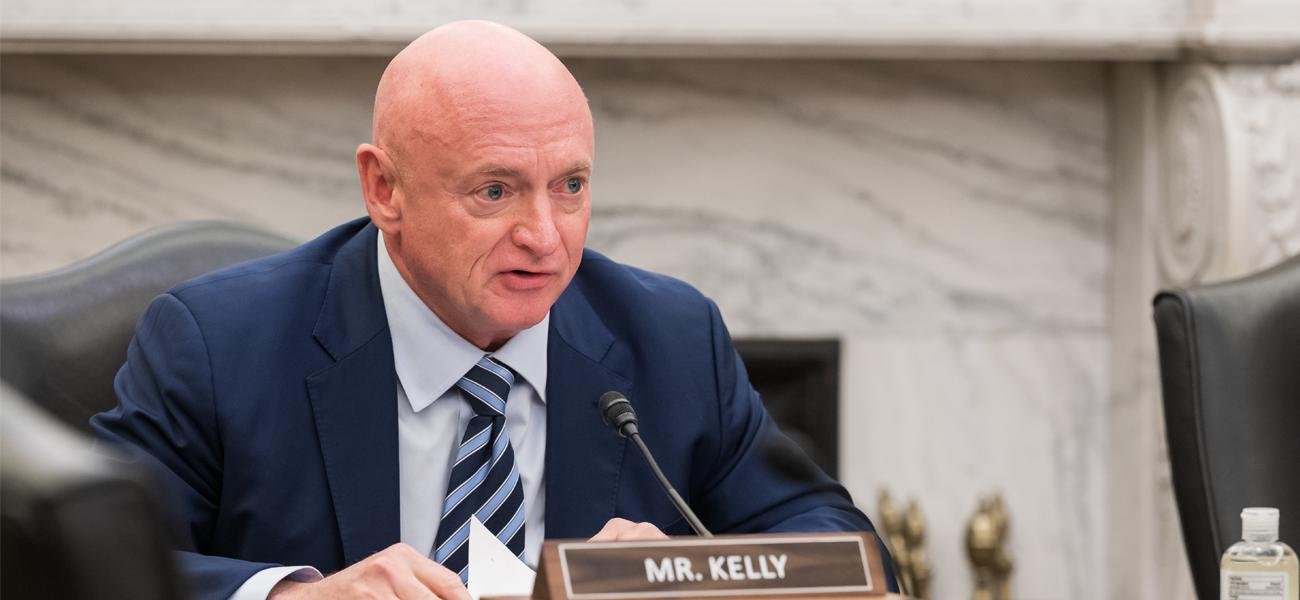
A recent viral political story involving Barron Trump and Mark Kelly sparked widespread online discussion about leadership, public communication, and generational perspectives. The dramatic exchange quickly gained attention across social media platforms, where audiences debated whether experience, youth, and public service are being discussed respectfully in modern political culture today.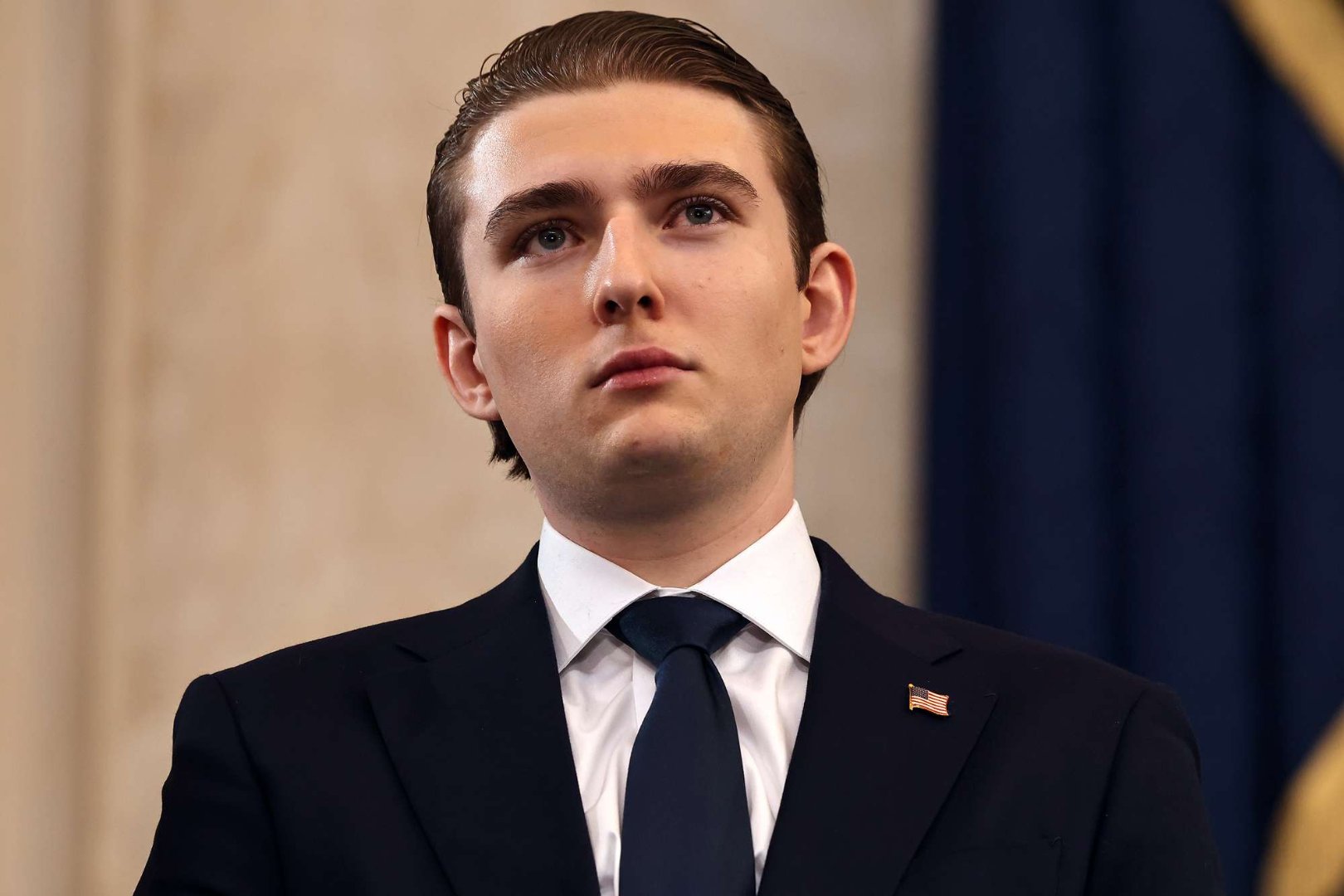
According to the widely shared version of the story, Barron Trump made a sharp remark toward Mark Kelly during a public event. The moment reportedly surprised audience members because Barron has traditionally maintained a relatively private public image compared to other political figures connected to national media attention and public debate in recent years.
Observers online focused heavily on Mark Kelly’s reported response. Rather than reacting emotionally, the former astronaut and senator was described as calm and composed. Supporters praised the response as an example of discipline, professionalism, and emotional restraint, especially during a highly public and potentially uncomfortable moment involving political and generational criticism before large audiences nationwide.
Kelly’s response, as shared across social media posts and discussion forums, centered on themes of service, responsibility, and personal growth through experience. Many viewers said the message resonated because it shifted attention away from confrontation and toward broader conversations about public duty, resilience, and the value of long-term commitment to national service and leadership.
The viral discussion also highlighted how audiences increasingly respond to moments involving emotional intelligence and calm communication. Media analysts noted that viewers often engage strongly with stories where public figures avoid escalation and instead redirect tense exchanges toward constructive or reflective messages that emphasize stability, maturity, and respect in political and social conversations today.
Supporters of Kelly described the moment as inspiring because it framed age and experience as strengths rather than weaknesses. Many comments online emphasized appreciation for public figures who discuss leadership through examples of service, perseverance, and accountability instead of relying entirely on confrontation, personal attacks, or emotionally charged rhetoric designed to dominate public attention online.
Others questioned whether the story itself had been exaggerated through viral storytelling techniques commonly used across social media platforms. Communication experts pointed out that dramatic dialogue, emotional pacing, and cinematic descriptions often appear in online political narratives, making it difficult for audiences to separate verified reporting from heavily dramatized or fictionalized content designed primarily for engagement.
Despite uncertainty surrounding some details, the story generated significant conversation about generational tensions in politics. Younger public figures are increasingly visible within political culture, while older leaders continue holding many influential positions. This dynamic often creates public debates about experience, innovation, tradition, and the evolving expectations surrounding leadership in modern democratic societies worldwide today.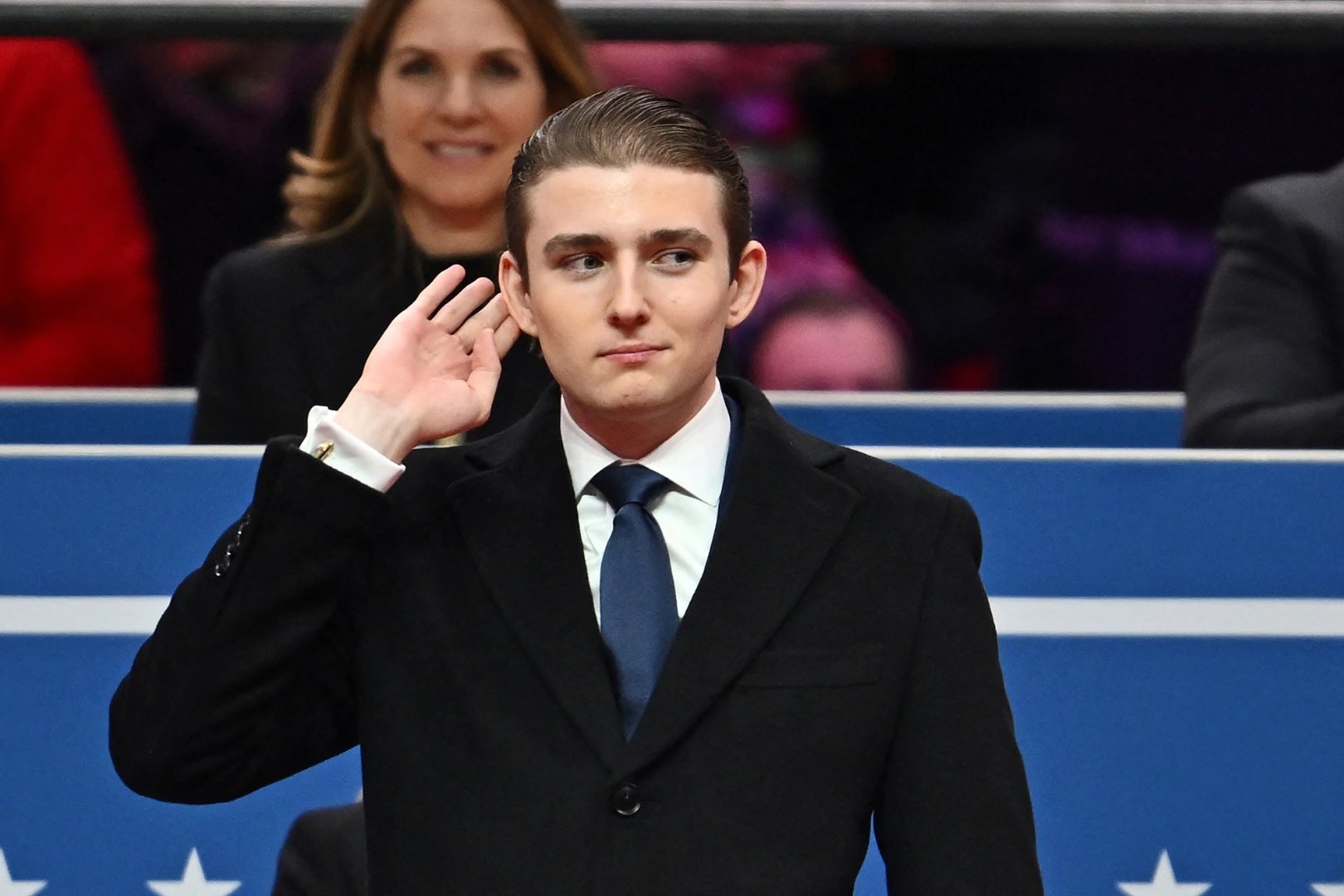
Political commentators observed that stories involving emotional restraint frequently gain stronger positive reactions than openly hostile exchanges. In this case, audiences appeared especially drawn to the reported focus on dignity and professionalism. Experts suggested that many viewers may feel exhausted by constant outrage and therefore respond positively to messages centered on calm leadership and mutual respect.
The discussion surrounding the story also reflected broader cultural interest in public figures connected to space exploration, military service, and national institutions. Mark Kelly’s background as a NASA astronaut and senator contributed significantly to public reactions, with supporters emphasizing his record of public service while discussing themes of sacrifice, responsibility, and long-term dedication to country and community.
Meanwhile, conversations involving Barron Trump continued attracting attention largely because he rarely appears publicly in political debates. This relative privacy has created strong curiosity whenever his name trends online. Analysts explained that stories involving well-known political families often spread rapidly because audiences already feel emotionally connected to broader political narratives and public personalities in contemporary media culture.
Communication researchers noted that emotionally charged viral stories often become symbolic representations of larger societal debates. In this case, the conversation expanded beyond a single exchange and evolved into discussions about civility, respect across generations, and the role public figures play in shaping political culture through both their language and their reactions under pressure during highly visible moments.
Many viewers interpreted Kelly’s reported response as a reminder that leadership is often demonstrated through composure rather than aggression. Supporters argued that the ability to remain calm during criticism reflects confidence, discipline, and maturity. Others believed the broader lesson involved recognizing the importance of respectful disagreement in increasingly polarized political and cultural environments across digital platforms today.
Media experts also emphasized that online audiences frequently reward narratives centered on redemption, resilience, and wisdom gained through experience. Stories presenting moments of calm reflection instead of hostility may resonate because they contrast sharply with the confrontational style dominating many areas of television, politics, and social media engagement across international public discourse and digital communities.
Although debate continues regarding the accuracy and dramatization of the original story, the conversation itself remains significant. It reflects growing public interest in respectful communication, emotional intelligence, and leadership defined by service rather than spectacle. Many observers believe discussions like this will continue shaping how audiences evaluate political behavior and public character in the digital era.