
A recent public appearance in London drew widespread attention after Prince William and Catherine, Princess of Wales made the unexpected decision to pause proceedings following an incident involving disrespect toward military veterans.
The event, planned well in advance, was set in a central London square and had attracted a large, diverse audience. Among the invited guests were decorated veterans from various branches of the armed forces, seated in a designated area near the stage. Before the disruption, the atmosphere had been warm and respectful, with many awaiting the couple’s arrival and their remarks on unity, service, and national appreciation.
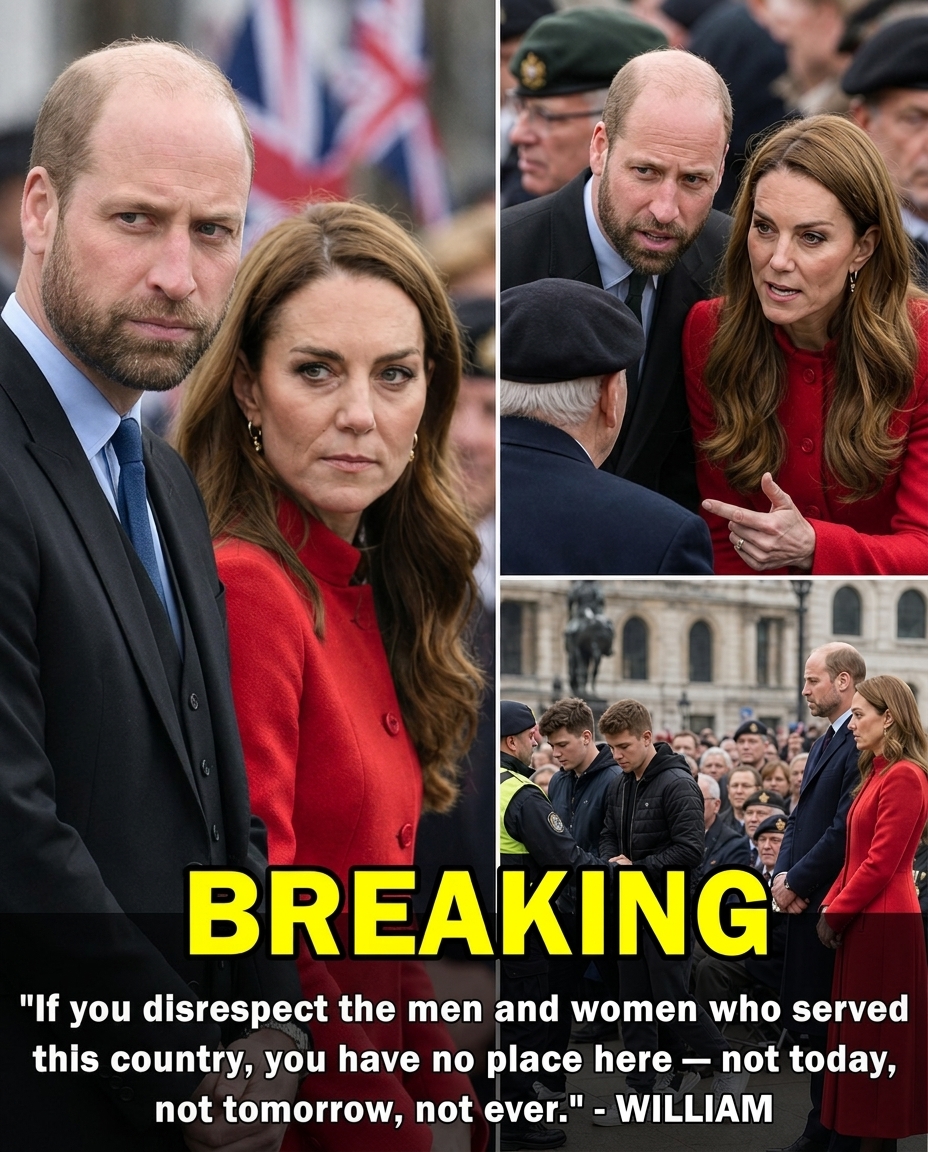
Shortly before the program began, event staff became aware of a disturbance near the veterans’ section. Reports from witnesses indicated that a small group of younger attendees had directed inappropriate comments and gestures toward the veterans. Some described the behavior as dismissive of military service, while others noted it was openly mocking.
Security initially attempted to manage the situation quietly, hoping to avoid interrupting the event. However, as the behavior persisted and several veterans appeared visibly uncomfortable, the issue was escalated to senior organizers. The information was then passed on to William and Catherine just moments before they were due to step on stage.
Instead of proceeding as scheduled, the couple paused backstage to clarify the situation. They asked for detailed confirmation to ensure the reports were accurate. Once it became clear that the conduct had crossed a line, William made a firm decision: those responsible should be removed immediately. Catherine supported the move, emphasizing the importance of respect—particularly toward those who have served the country.
Security personnel approached the group and asked them to leave. Although there was some initial surprise and mild resistance, the individuals were escorted out without further issue. Observers noted how quickly and decisively the situation was handled, with no attempt to downplay it or delay action.
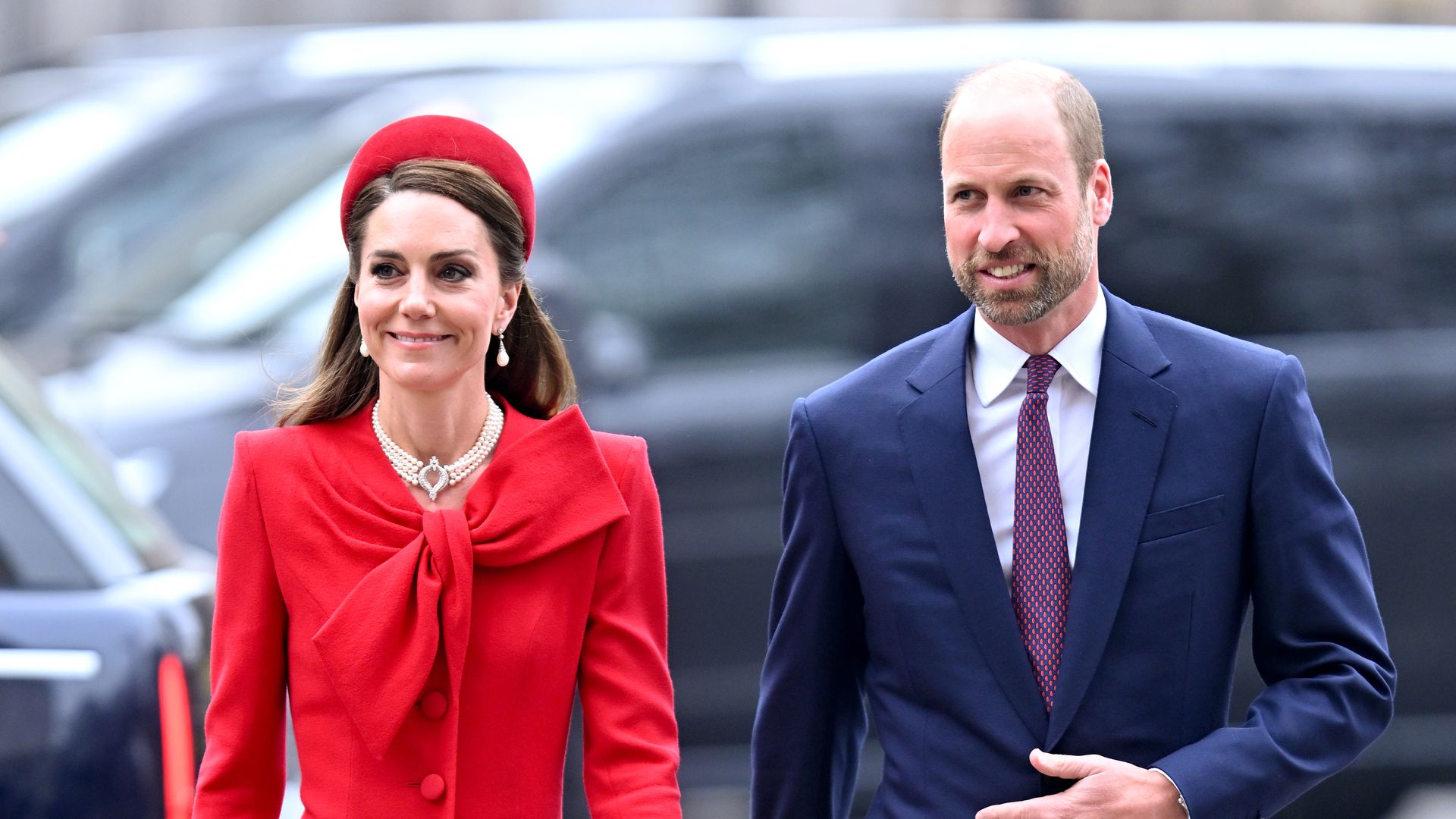
With the matter resolved, the couple chose to briefly delay the event. During that time, they personally greeted several of the veterans who had been affected. Witnesses described the exchanges as genuine and unhurried, with both William and Catherine expressing their appreciation for the veterans’ service. This gesture helped restore a sense of calm and respect among those.
When the program resumed, the mood had noticeably shifted. The earlier tension gave way to a more reflective and attentive atmosphere. In his remarks, William spoke about the importance of honoring those who have served, stressing that respect should never be conditional. Though he did not directly reference the incident, the message was clear.
Catherine followed with a message centered on empathy, unity, and shared responsibility within society. She highlighted the need to treat every individual with dignity, regardless of differences.
Attendees later described the moment as both sobering and meaningful. Many veterans expressed gratitude not only for being invited, but for how the situation had been handled. Some noted that actions like these carry more weight than words alone.
In the hours that followed, discussions of the incident spread across social media and news platforms. Public reaction was largely supportive, with many praising the couple for their clear and measured response. Commentators pointed out that the decision reflected a commitment to respect and service—values often associated with their public roles.
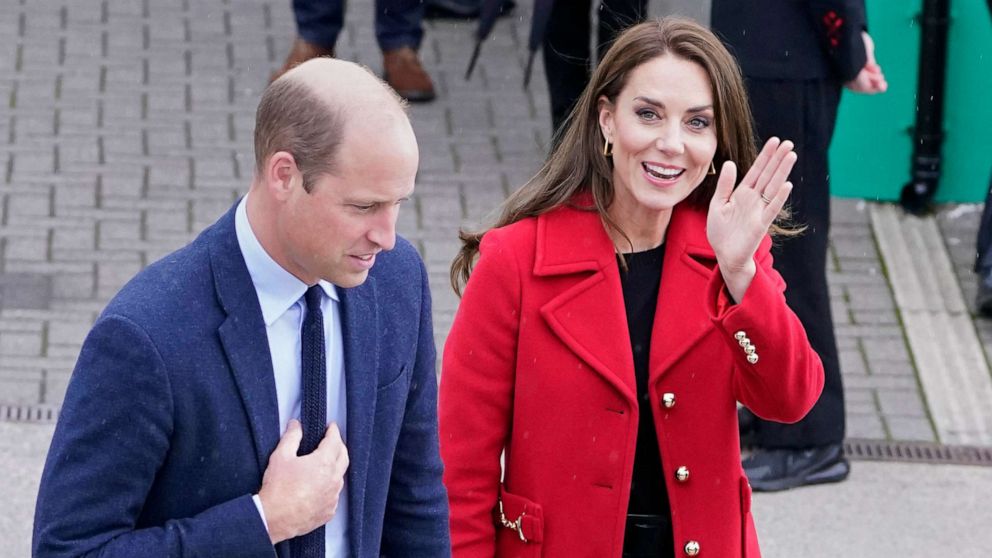
While a small number questioned whether the response had been too firm, most agreed that maintaining a respectful environment—especially for honored guests—justified the action.
Ultimately, what could have disrupted the entire event instead reinforced its central message. By addressing the issue directly and without hesitation, William and Catherine set a clear standard for conduct at public gatherings.
The event concluded smoothly, but for many, the most memorable moment was not the speeches or setting—it was the decision made behind the scenes. It served as a reminder that leadership is often defined not by what is said, but by what is done when it matters most.


